
TLDR
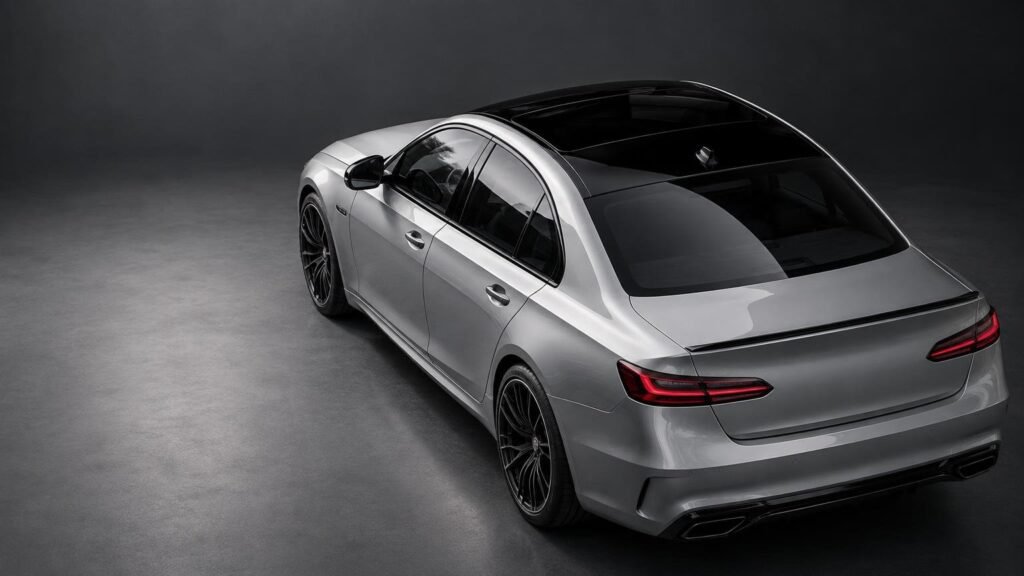
A BMW black roof wrap works best when it turns the roof into one continuous visual section rather than leaving disconnected black patches. Gloss black is the safest choice beside panoramic glass because its reflections create a convincing glass-like, factory two-tone effect. Satin black is better for a muted, performance-oriented look, especially when the car already has satin trim or other low-gloss accents. Before ordering, study the painted roof area, pillars, window trim, roof rails, antenna and spoiler as one composition.
The paint color changes the strength of the result. White, silver, light gray and brighter BMW colors create obvious contrast; dark gray, dark blue and black produce a subtler effect. The right coverage matters more than adding every possible black accent. A clean roof-only treatment often looks more deliberate than an automatic roof, mirror, spoiler and full chrome-delete package.
When a BMW black roof wrap looks right
Start with the side profile, not a close-up of the roof. A successful treatment should make the greenhouse—the glass and the structure around it—look lower, longer or more unified. It should not look like someone placed a black rectangle on top of the car.
BMW roof designs vary substantially by model, generation and equipment. A sedan with a conventional sunroof presents a different canvas from an SUV with a large panoramic roof. BMW, for example, describes the X5’s available roof design around a large two-part panoramic glass area, illustrating how little painted roof may remain on some configurations. On such a vehicle, the wrap may function mainly as a bridge between the glass, windshield and rear spoiler rather than as a large color-change panel.
| Vehicle feature | What to look for | Likely direction |
|---|---|---|
| Large panoramic glass roof | Narrow painted strips around substantial dark glass | Gloss black usually creates the cleanest continuation |
| Conventional painted roof | A broad body-color panel with clear boundaries | Either gloss or satin can work; finish drives the style |
| Bright or light paint | Strong contrast between body and roof | Good candidate for an obvious two-tone treatment |
| Dark body color | Low contrast from normal viewing distance | Use gloss differences or coordinated trim to make the change legible |
| Body-color pillars | A visible strip separating the roof from side glass | Decide from the side profile whether selective pillar coverage is needed |
| Roof rails or complex trim | Multiple edges interrupting the black area | Ask how each component will be handled before approving the scope |
| Carbon-fiber or special factory roof | A distinctive surface that may already be a design feature | Avoid covering it unless hiding that appearance is intentional |
Take daylight photographs from the front three-quarter, direct side, rear three-quarter and above-roof angles. Temporarily darkening the roof in a photo editor is more useful than judging another BMW online because wheelbase, glass size, pillar shape, spoilers and option packages all change the effect.
Gloss black versus satin black
Choose gloss for the glass-roof effect
Gloss black is the default recommendation for most BMWs. It reflects the sky and surrounding light more like the adjacent glass, helping separate roof panels read as one dark section. It also coordinates naturally with gloss-black window trim, mirror caps and spoilers when those pieces are already present.
This does not mean the vinyl will look identical to glass. Glass has depth, tint and reflections beneath its surface, while vinyl is an opaque skin over paint. Seams, rubber seals and different panel angles remain visible. The goal is visual continuity from ordinary viewing distance, not a perfect material match.
Choose satin for a softer OEM-plus result
Satin black has less glare and shows the roof shape more clearly. That can suit an aggressively styled sedan, coupe or SUV with other satin details. It is also useful when full gloss would feel too polished against matte grilles, dark wheels or understated trim.
Satin is less convincing when the intended effect is one uninterrupted glass canopy. Beside glossy panoramic glass, the finish change will remain visible. Treat that contrast as a design choice rather than assuming satin is simply a less shiny version of the same look.
Both finishes are available in established cast vehicle-wrap ranges. Avery Dennison’s Supreme Wrapping Film lineup, for example, includes Gloss Black and Satin Black vehicle-wrap films. Ask the installer which exact film is being proposed instead of approving an order described only as “black vinyl.”
Should the pillars be wrapped too?
Do not automatically include every pillar. Begin with the painted roof and inspect where its color visually continues down the side of the car. On some BMWs, a body-color strip above the windows neatly frames the greenhouse. On others, a broad body-color rear pillar interrupts an otherwise continuous black roof and glass treatment.
The A-pillars beside the windshield are especially sensitive. Blacking them out can make the windshield appear to flow into the roof, but it also changes the car’s face and creates more visible edges near doors, weather seals and panel transitions. C- or D-pillar coverage can extend the dark canopy toward the rear, although the result depends heavily on the model’s shoulder line and spoiler.
- Keep the pillars body color when they form a clean, intentional frame around the windows.
- Consider selective rear-pillar coverage when body-color metal visibly breaks the roof-to-rear-glass flow.
- Avoid creating a thin vinyl sliver with vulnerable edges merely to make every black area touch.
- Review both sides of the vehicle; fuel doors, trim breaks and asymmetric details can affect edge placement.
- Ask where each wrap edge and seam will finish before installation begins.
Mirrors, spoilers and window trim should support the roof
A roof wrap does not require matching mirror caps. Black mirrors can balance the roof on a light car, but they also pull attention downward and outward. If the car already has black lower trim or wheels, mirrors may complete a coherent set of accents. If the roof is the only intended contrast feature, body-color mirrors often keep the result cleaner.
The rear spoiler deserves a similar test. Wrapping its upper surface black can visually extend the roof, particularly when it meets dark rear glass. Wrapping the entire spoiler may look heavier. A small lip spoiler can also remain body color and act as the final edge of the roof treatment.
Chrome delete is another separate decision. Gloss-black window trim makes a gloss roof feel more unified, but replacing every bright detail with black can flatten the design. Preserve bright trim when it provides a deliberate outline or relates to wheels, badges and grille details. Add a chrome delete only when the side profile benefits from one continuous dark window surround.
Use wrap vinyl for style and PPF for protection
A cosmetic roof conversion is a large-area vehicle-wrap job, not an oversized sticker application. Cast wrap film is designed to conform to automotive panels and create a removable color or finish change when properly installed. Smaller printed decals serve a different purpose; they are appropriate for lettering, club graphics or compact artwork rather than converting an entire roof. If that smaller format is the actual project, custom printed stickers and decals are the relevant category. Compound curves and exposed edges also require different planning, as our guide to motorcycle tank decals and curved painted surfaces explains.
Paint-protection film, or PPF, is a different product category. Its main purpose is protecting paint from chips and road debris, while color-change vinyl primarily changes appearance. UT Car Wraps makes this distinction in its service information and lists roof wraps, accent wraps, chrome delete and PPF among its available services.
Black protective film can combine a dark appearance with a protective construction. Avery Dennison describes Supreme PPF neo Black as a high-gloss black protective film for accents such as roofs and hoods. However, product availability varies by market and installer. If protection is the priority, ask the shop whether it offers a locally supported black PPF for your roof rather than assuming a specific film can be ordered.
PPF is not automatically the better roof material just because it is protective. Roofs generally receive fewer stone impacts than bumpers and hood leading edges. Conventional wrap vinyl is usually the more direct choice when the objective is simply a black-roof appearance. Consider black PPF when its protective properties, construction and installed cost solve a real need.
Roof exposure changes the durability conversation
A roof is a horizontal exposure surface. It receives sustained sun, heat and environmental fallout, so a durability figure quoted for a vertical door cannot simply be transferred to the roof. For 3M Wrap Film Series 2080, the company publishes maximum exposure periods of up to eight years for vertical exposure and up to three years for horizontal exposure, subject to its stated conditions. It also describes the film as removable within the applicable warranty period when installation and removal conditions are met.
The practical lesson is to request roof-specific warranty information for the exact film, finish, climate and installation—not a generic maximum lifespan. Ask what the manufacturer covers, what the installer covers and how roof orientation affects the term. A gloss roof will also make dust, mineral spots and fine surface marks easier to see, while satin requires cleaning methods that preserve its consistent sheen.
Prepare a useful quote request
An accurate roof-wrap quote requires more than the words “BMW black roof wrap.” The installer needs to see the actual roof, identify disassembly and edge requirements, evaluate the paint and understand whether adjacent pieces are included.
- BMW year, model and trim
- Exterior paint color and current paint condition
- Standard roof, conventional sunroof or panoramic glass configuration
- Clear daylight photos from the front, side, rear and above
- Presence of roof rails, antenna, spoiler or existing film
- Desired finish: gloss black or satin black
- Requested coverage: roof only, roof and pillars, spoiler top, mirror caps or window trim
- Any repainted panels, chips, peeling clear coat or previous wrap adhesive
- Whether the priority is appearance, paint protection or both
- Preferred timing and the city where the vehicle is located
For Utah owners, UT Car Wraps lists roof wraps and other color-change or accent-wrap services, with service coverage in Utah County and Salt Lake County, including Orem, Provo, Lehi, American Fork, Salt Lake City, Sandy, Draper and South Jordan. The company asks prospective customers for vehicle details, paint condition, existing damage, previous film, location, timing and photos so it can recommend an approach.
Final recommendation
Choose gloss black if you want the most convincing factory-style continuation of a panoramic roof or a crisp two-tone contrast on white, silver or another bright paint color. Choose satin black when the car already has restrained low-gloss details and you want the roof to look like a distinct performance accent rather than glass.
Keep the initial scope disciplined: price and visualize the roof by itself first, then add pillars, mirror caps, spoiler coverage or chrome delete only when each piece improves the complete side profile. Your next step should be four daylight photographs and a written coverage list. Send those with the year, model, roof configuration and paint-condition details to the installer, then approve the exact film, edge locations and roof-specific warranty terms before the car enters the shop.